
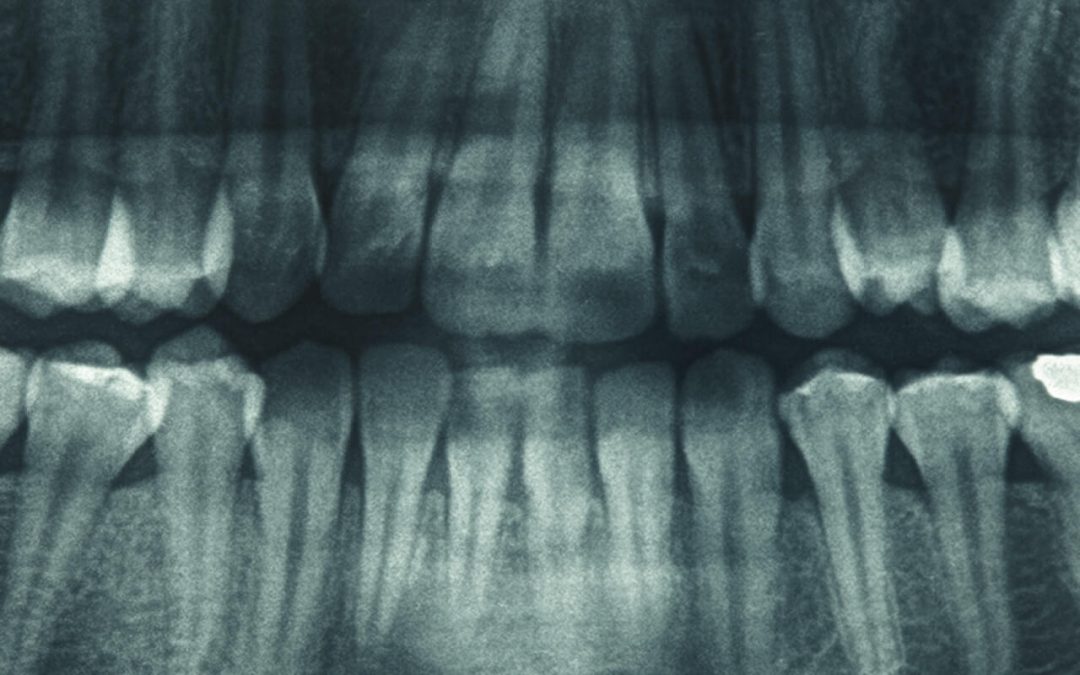
Root canal treatment is a dental procedure to replace a damaged tooth or infected pulp with a filling. Root canal therapy is performed when the pulp which is composed of nerves and blood vessels in the tooth becomes infected or damaged. It is one of the most common procedure performed. This simple treatment can save the natural teeth and prevent the use of dental implants or bridges.
The symptoms that a root canal therapy is needed may include:
1. Unprovoked or spontaneous pain.
2. Discoloration of the tooth.
3. Recurring pimple on the gums.
4. Pain when chewing or when pressure is applied.
5. Swelling of gum.
Tooth pulp may become damaged or diseased without presenting any symptoms. An x-ray is needed to diagnose it. A root canal therapy can be done by a dentist or an endodontist.It requires one or more office visits. An endodontist is a dentist who specializes in the causes, diagnosis, prevention, and treatment of diseases and injuries of the teeth’s dental pulp.
Root canal therapy is probably the most common treatment performed by an endodontist. The first step in root canal procedure is to take an x-ray to determine if there are any signs of infection in the surrounding bone. Local anaesthesia will be used to numb the place by your endodontist. Since the nerve is dead, anaesthesia may not be needed. The endodontist anaesthesizes the area to make his patient more relaxed.
The next step is to keep the area dry and free of saliva during treatment. A dental dam which is a thin sheet of rubber will be placed over the affected and adjacent teeth. The dental dam allows the root canal treatment to be carried out in a sterile environment .
An access hole will then be drilled into the tooth, allowing access to the pulp chamber and root canals for treatment.The infected and dead pulp tissue is removed from the tooth with root canal files. Water or sodium hypochlorite is used periodically to flush away the debris. This process is not painful because the area is numb and the tissue being removed is either dead or dying.
Once the tooth is perfectly cleaned, it needs to be sealed. A rubber-like material called gutta percha is often used. Your dentist will close the opening in your tooth with a temporary filling, while you wait for the permanent crown. It is a thermoplastic material which is literally heated and then compressed into and against the walls of the root canals to seal them. It is very important to seal the canals to prevent them from becoming reinfected with bacteria.
The final step may involve further restoration of the tooth. Your tooth will require a permanent restoration, a filling or a crown to replace lost tooth structure and act as a complete seal to the top of the tooth.
Maintaining a good oral hygiene should be compulsory. Visiting your dentist occasionally to X-ray the treated tooth and to make sure that all signs of infection are gone is needed. Avoid chewing on hard foods such as ice because it can cause teeth to break, and can harm root canals.
Make an Appointment Today!
NoFrills Dental @ Marina Square
6 Raffles Boulevard,
Marina Square,
#B1-11
Singapore 039594
T: +65 6227 8885
E: marinasquare@nofrillsdental.com.sg
NoFrills Dental @ Suntec City
3 Temasek Boulevard
Suntec City (North Wing)
#03-317
Singapore 038983

Call Us Today
+65 9007 1085

Follow Us
Partnered Programs & Insurance Plans